

Posted on 14th Oct 2026, by Admin
Understanding palliative care, relieving suffering and preserving dignity throughout the cancer journey
Cancer care involves much more than treating a tumour. For many patients, the journey also brings pain, fatigue, sleep disturbances, emotional distress and concerns about family, work and the future.
These challenges deserve attention alongside treatment of the disease.
Pain management is an essential part of palliative care because uncontrolled pain can affect almost every aspect of daily life, from eating and sleeping to movement, relationships and emotional well-being.
World Hospice and Palliative Care Day, observed on 11 October in 2026, offers an opportunity to understand why relieving suffering and preserving dignity should remain important priorities in healthcare.
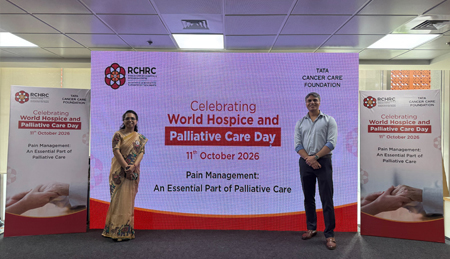
To mark World Hospice and Palliative Care Day 2026, we came together for an awareness programme centred on the theme, “Pain Management: An Essential Part of Palliative Care.”
The programme included expert discussions, reflections on the experiences of patients and caregivers, and a creative poster presentation. It offered an opportunity to reflect on the importance of relieving suffering, supporting families and preserving dignity throughout the journey of serious illness.
The central message was simple: healthcare must address not only the disease, but also the pain, distress and individual concerns experienced by the person living with it.
Palliative care is specialised care that aims to improve the quality of life of people living with serious illnesses and to support their families. It addresses physical symptoms as well as psychological, social and other sources of distress.
One common misconception is that palliative care is meant only for people who are nearing the end of life. In reality, it can be introduced at different stages of a serious illness, depending on the person's needs. For people with cancer, palliative care can be provided alongside treatments intended to control or treat the disease.
Its purpose is not to replace appropriate cancer treatment. Rather, it complements that treatment by addressing symptoms, supporting informed decisions and helping patients and families cope with the challenges of illness.
Cancer-related pain can have several causes. It may arise from the tumour itself, involvement of surrounding tissues or nerves, treatment-related effects, surgery or other medical conditions.
Pain also differs from one person to another. Some people experience persistent discomfort, while others have intermittent or movement-related pain. The appropriate approach depends on the cause, severity, medical history and individual circumstances.
Effective pain management begins with listening to the patient and assessing how the pain affects everyday life.
Depending on the clinical assessment, treatment may include appropriate pain-relieving medicines, treatment of the underlying cause, supportive interventions or specialist procedures. Pain should be reassessed regularly because symptoms and treatment needs can change over time.
Patients should tell their healthcare team if pain persists, worsens or interferes with sleep, eating, movement or daily activities. They should not feel that enduring pain without support is an inevitable part of cancer.
Pain relief is not an optional extra in cancer care. It is an important component of appropriate and compassionate treatment.
People with oral cancer, throat cancer and other head and neck cancers may experience difficulties that affect essential everyday functions.
Depending on the disease and its treatment, these may include:
These concerns may affect nutrition, communication, independence and emotional well-being.
Palliative care can help identify and address distressing symptoms while other appropriate treatments continue. Support may involve pain management, nutritional guidance, rehabilitation, psychological support and communication with the patient and family.
The approach should be individualised. Not every patient experiences the same difficulties, and care should reflect the person's clinical needs, priorities and preferences.
Living with cancer can bring emotional challenges that are not always immediately visible.
Patients may worry about treatment, family responsibilities, finances, the possibility of recurrence or changes in their ability to work and participate in everyday life. Some may feel anxious or low in mood, while others may find it difficult to discuss their concerns with loved ones.
These feelings should not be dismissed or treated as a lack of courage.
Open conversations with the healthcare team can help identify concerns and determine whether additional support is needed. Depending on the individual's circumstances, this may include counselling, psychological care, social support or assessment by another qualified professional.
Family members and caregivers may also experience considerable strain. They often manage practical responsibilities while coping with uncertainty themselves. Their well-being matters too.
No. Palliative care can be appropriate from the time a serious illness is diagnosed, depending on the patient's needs.
For someone receiving cancer treatment, it may help manage pain, nausea, fatigue, breathlessness or emotional distress. For another person, the priority may be communication, practical support or help navigating difficult decisions.
Palliative care can continue alongside surgery, radiotherapy, chemotherapy or other appropriate treatments. The focus and intensity of support may change as the illness and the patient's needs evolve.
It is important to distinguish palliative care from end-of-life care. End-of-life care is one part of the broader palliative care approach, not its entirety.
Patients and caregivers can play an important role by communicating openly with the treating team.
Describe symptoms clearly. Explain where the pain occurs, when it began, what makes it better or worse, and how it affects sleep, eating and daily activities.
Report changes promptly. New, persistent or worsening symptoms deserve medical assessment. Do not change prescribed medicines or take additional medicines without appropriate advice.
Ask questions. Patients should feel comfortable asking about available options, expected benefits, possible side effects and what to do if symptoms remain uncontrolled.
Discuss emotional concerns. Anxiety, low mood and caregiver stress are also important aspects of well-being. Support can be sought when these concerns arise rather than waiting until they become overwhelming.
Include caregivers when appropriate. With the patient's agreement, family members can help communicate concerns, understand the care plan and support symptom monitoring.
These steps do not replace professional assessment, but they can help the healthcare team understand the patient's needs more clearly.
Contact your treating healthcare professional if pain is not adequately controlled, symptoms interfere with daily activities, swallowing or eating becomes increasingly difficult, or emotional distress becomes persistent.
Severe or rapidly worsening symptoms require prompt medical assessment. Difficulty breathing, significant bleeding or an inability to swallow fluids may require emergency care.
Do not rely solely on online information to diagnose symptoms or alter a treatment plan. Advice should be tailored to the individual's condition and medical history.
Cancer care requires attention to both the disease and the person experiencing it. Investigations and treatments are important, but so are comfort, communication, dignity, emotional well-being and the needs of families.
Palliative care helps bring these priorities into clinical practice. By identifying distressing symptoms, addressing pain and supporting informed choices, it can contribute to a more comprehensive approach to serious illness.
The goal is not simply to ask whether the disease is being treated, but also whether the patient's suffering is being recognised and their concerns are being heard.
Because compassionate cancer care means treating illness while caring for the person living with it—with comfort, dignity and respect.
Does palliative care mean that cancer treatment has stopped?
No. Palliative care can be provided alongside treatments intended to control or treat cancer. Its role is to address symptoms, distress and quality-of-life concerns.
Can palliative care help with cancer pain?
Yes. Pain assessment and management are important components of palliative care. Treatment depends on the cause of pain, its severity and the patient's individual circumstances.
When should a cancer patient consider palliative care?
It may be helpful whenever symptoms, emotional distress or other concerns affect quality of life. It is not necessary to wait until the final stages of illness.
Can patients with head and neck cancer benefit from palliative care?
Palliative care may help address pain, swallowing difficulties, nutrition-related concerns, emotional distress and other symptoms associated with head and neck cancer or its treatment.
Does palliative care also support family members?
Yes. Palliative care can help families understand symptoms, navigate practical challenges and access appropriate support while respecting the patient's preferences.
Medical disclaimer: This article is intended for general educational purposes and does not replace an individual medical assessment, diagnosis or treatment plan. Please consult a qualified healthcare professional for advice about your specific circumstances.