

Posted on 3rd October 2026, by Admin
A cancer diagnosis can be frightening. But fear should never stop us from seeking help early.
Sometimes, the biggest barrier between a person and timely cancer care is not the distance to a hospital. It is fear.
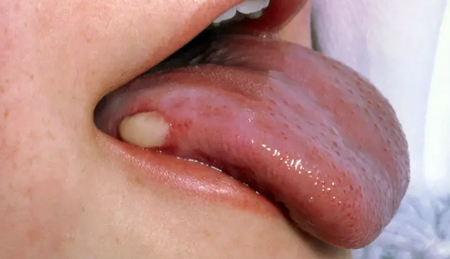
A persistent ulcer appears in the mouth. A patch changes colour. There is a lump, swelling, pain or another unusual change.
Instead of getting it examined, many people first turn to Google, social media or stories they have heard from friends and relatives.
They read about someone who died from cancer. They hear, “Mouth cancer means the end.” And slowly, fear takes over.
The visit to the doctor gets postponed.
Cancer is not a single disease with a single outcome. The type of cancer, its stage, biology and the patient's overall condition all influence treatment and outcomes.
For oral cancer, earlier detection can make treatment easier and may offer better long-term prospects than diagnosis after the disease has become advanced.
Yet many people reach medical care only after symptoms have been present for a considerable period.
By then, treatment may be more complex and can involve extensive surgery, radiotherapy, chemotherapy or combinations of treatment.
This is why recognising the warning signs and seeking timely medical evaluation matters.
Be alert to changes such as:
WHO guidance identifies persistent mouth sores, swellings, colour changes, bleeding, numbness and pain among signs that warrant attention.
A persistent mouth ulcer does not automatically mean cancer. Most such symptoms can have other causes. But the important question is: why take the risk of ignoring something that is not going away?
The most powerful conversation about oral cancer should not begin in the operating room. It should begin much earlier—with prevention.
Tobacco is a major preventable risk factor for cancer, and WHO states that all forms of tobacco use are harmful.
Avoiding tobacco and other established risk factors, maintaining good oral health, recognising warning signs and seeking timely evaluation are important steps towards reducing the burden of oral cancer.
The internet can provide information. It cannot examine your mouth.
It cannot feel a lump. And it cannot replace a clinical evaluation.
If something unusual in your mouth persists, don't spend weeks searching for increasingly frightening possibilities online.
Get it examined.
Sometimes, the most important step in the entire cancer journey is simply taking the first step early enough.
Prevention first.
Awareness next.
Early evaluation when something changes.
And if you know someone who has been postponing a consultation because of fear, share this message with them.
It may be the reminder they need.
This article is intended for public education and awareness. It should not replace consultation with a qualified healthcare professional. If you have persistent symptoms or health concerns, please seek medical advice. Individual treatment recommendations and outcomes vary.