

Posted on 12th Oct 2026, by Admin
World Mental Health Day 2026 | Supporting the emotional well-being of cancer patients and their families
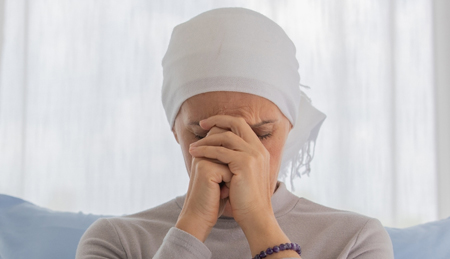
A cancer diagnosis affects more than the body. It can change how a person thinks about the future, relates to family, manages daily responsibilities and experiences life. Alongside physical symptoms and treatment decisions, patients may face fear, uncertainty, anxiety, sadness or loneliness.
These feelings deserve attention and compassionate care.
On World Mental Health Day, observed on 10 October, the message is simple: listening to people’s experiences is an essential part of supporting their well-being. This year’s global theme, “Lived experiences heard: real voices, real change,” highlights the importance of taking people’s experiences seriously and involving them in decisions that affect their lives.
For people living with cancer, this means recognising emotional distress, creating space for honest conversations and making appropriate support accessible.
Cancer can bring several challenges at once. Patients may worry about their diagnosis, treatment, recovery, family responsibilities, finances or the effect of treatment on their appearance and ability to work.
People undergoing treatment for oral cancer, throat cancer, thyroid cancer or other head and neck cancers may also have concerns about speaking, swallowing, eating, changes in facial appearance and returning to everyday activities.
Emotional responses can vary considerably. Some people feel overwhelmed immediately after diagnosis; others experience greater anxiety during treatment, while some struggle emotionally after treatment has finished.
There is no single correct way to respond to cancer. Feeling afraid or sad does not mean a person is weak, and patients should not feel pressured to remain positive all the time.
Waiting for biopsy results, understanding a diagnosis and deciding on treatment can be stressful. Uncertainty may lead to repeated worrying, difficulty concentrating or trouble sleeping.
Clear explanations from the treating team, an opportunity to ask questions and support from trusted people can help patients feel better informed.
Surgery, radiotherapy and chemotherapy may involve unfamiliar procedures, side effects and changes to daily routines. Worry can also arise before follow-up appointments or investigations.
Patients should tell their healthcare team when anxiety becomes difficult to manage. Pain, sleep problems, medication effects and other physical concerns may also need assessment.
Some head and neck cancer treatments can affect speech, swallowing, facial appearance or the ability to eat comfortably. These changes may influence confidence, relationships and social participation.
Rehabilitation, appropriate supportive care, counselling and encouragement from family can help patients adjust to changes and work towards meaningful daily goals.
Completing treatment does not necessarily mean that all worries disappear. Some people remain concerned about cancer returning, while others find it difficult to resume their previous routine.
Follow-up care should provide opportunities to discuss emotional as well as physical concerns. Patients do not need to wait for a crisis before asking for support.
Family members and caregivers may manage hospital visits, medicines, practical responsibilities, finances and their own fear about the future. They may feel exhausted while trying to remain strong for the patient.
Caregivers also need rest, understanding and support. Sharing responsibilities and asking for help when needed can make the caring process more manageable.
Occasional worry or sadness can be an understandable response to a serious illness. However, additional support may be needed when emotional difficulties persist, become more intense or interfere with everyday life.
Consider speaking to a healthcare professional if you or someone you care for experiences:
These symptoms do not automatically mean that someone has a mental health disorder. A qualified professional can assess the situation and discuss suitable support.
If you are thinking about harming yourself or feel unable to remain safe, seek urgent help. Contact local emergency services or go to the nearest emergency department. In India, Tele-MANAS provides free, round-the-clock mental health support on 14416.
Small, realistic steps may help patients and caregivers manage day-to-day stress. These measures are not substitutes for professional care when it is needed.
Share your worries with someone you trust. If you find it difficult to explain how you feel, consider writing down your questions or asking a family member to help you communicate them to your healthcare team.
Reliable information and clear communication can reduce uncertainty. Ask your treating team to explain the diagnosis, available treatment options, likely side effects and follow-up plan in language you understand.
Avoid relying solely on frightening online stories or comparing your situation with another person's experience. Different patients can have different diagnoses, treatment needs and outcomes.
When possible, aim for regular sleep, appropriate nutrition, gentle physical activity as advised by your healthcare team, and time for activities that matter to you. Adapt your routine to your symptoms and treatment rather than feeling that you must maintain your usual pace.
Accept practical help with meals, transport, household tasks or hospital visits. Staying connected with trusted family members and friends may reduce feelings of isolation.
If you prefer not to discuss every concern with family, a counsellor or another trained professional may offer a more comfortable space.
Psychologists, psychiatrists, counsellors, social workers and palliative care professionals may help address different emotional, social and practical needs, depending on the available services and the patient's circumstances.
Counselling and other treatments can be helpful for people experiencing significant distress. Support should be individualised, and mental health difficulties should not be dismissed as something a patient must simply endure.
Often, the most helpful response is not to find the perfect words but to listen without judgement.
Family members can:
Avoid making promises about treatment outcomes. Honest, compassionate communication helps patients feel heard without creating unrealistic expectations.
Good cancer care involves more than treating the disease. It also means recognising the person living with it—their concerns, family circumstances, preferences, dignity and quality of life.
Emotional distress can arise at diagnosis, during treatment, after treatment or when care goals change. Recognising these needs and responding appropriately can help patients and families navigate difficult periods.
Patients should feel able to discuss emotional concerns with their healthcare team just as they would discuss pain, difficulty swallowing, medication side effects or other physical symptoms.
Fear, worry and uncertainty are common responses to a cancer diagnosis. If these feelings persist, become overwhelming or interfere with daily life, discuss them with a healthcare professional.
Yes. Concerns about speech, swallowing, eating, appearance, social interaction and recovery may affect emotional well-being. Support should address both physical and emotional needs.
Counselling, psychological interventions and appropriate medical care can help some patients manage anxiety, depression and emotional distress. The right approach depends on the individual's needs and assessment.
No. Emotional support can be useful at diagnosis, during treatment, after treatment and during follow-up. Patients can raise concerns whenever they arise.
You can begin by speaking with your treating doctor or another qualified healthcare professional about suitable local services. The Government of India's Tele-MANAS helpline, 14416, offers free, 24-hour mental health support.
You do not have to face every concern in silence. Asking for help is not a failure, and supporting emotional well-being is not separate from caring for physical health.
This World Mental Health Day, let us listen more carefully, respond with compassion and make it easier for people to speak openly about what they are experiencing.
Every person's experience deserves to be heard. Every person's dignity deserves to be respected. And seeking support should never be a source of shame.
Medical note: This article provides general educational information and does not replace an individual medical assessment, diagnosis or treatment plan.