

Posted on 16st June 2026, by Admin
By Dr. Sachender Pal Singh
Head & Neck Cancer Surgeon
When people hear the words "head and neck cancer," their first thoughts are often about surgery, radiation, chemotherapy, and survival.
These are undoubtedly important. However, for most patients and families, another set of questions quickly follows:
These questions highlight an important truth: successful cancer treatment is about much more than removing a tumor. It is about helping people reclaim their lives.
Over the past few decades, tremendous advances in cancer treatment have improved survival rates for many head and neck cancers.
But modern cancer care has evolved beyond the goal of disease control alone.
Today, doctors, nurses, rehabilitation specialists, speech therapists, dietitians, psychologists, and caregivers work together to help patients preserve function, maintain dignity, and achieve the best possible quality of life.
It is also reflected in a patient sharing a meal with family, returning to work, speaking to loved ones, attending social gatherings, and living independently.
Head and neck cancers affect some of the most important functions of daily life.
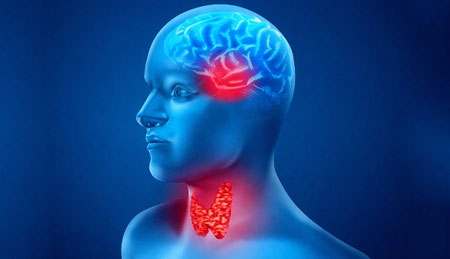
These cancers can involve the tongue, mouth, jaw, throat, voice box, salivary glands, thyroid gland, and surrounding structures.
As a result, patients may face concerns related to:
For many patients, these concerns can be as distressing as the diagnosis itself.
Recognizing and addressing these challenges is an essential part of comprehensive cancer care.
One of the most important messages patients should understand is that early diagnosis often allows better treatment outcomes with improved function and appearance.
Persistent mouth ulcers, white or red patches, difficulty swallowing, voice changes, neck swellings, unexplained bleeding, or non-healing lesions should never be ignored.
Many patients delay seeking medical attention because they hope symptoms will disappear on their own.
Unfortunately, delays can allow cancers to grow larger and more complex to treat.
Early evaluation can often mean less extensive treatment and faster recovery.
Reconstruction Is About Function, Not Just Appearance
Many people assume reconstructive surgery is primarily cosmetic.
In reality, reconstruction plays a critical role in restoring function after cancer surgery.
Modern reconstructive techniques can help rebuild tissues removed during cancer treatment and support important activities such as speaking, swallowing, chewing, and maintaining facial symmetry.
The goal is not simply to replace tissue.
The goal is to help patients regain confidence and independence.
Every patient is unique, and reconstructive plans are individualized based on the disease, treatment goals, and overall health.
Cancer treatment does not end when surgery is completed or radiation therapy finishes.
Speech and swallowing rehabilitation often play a crucial role in helping patients regain confidence and function.
Nutritional support helps maintain strength during treatment.
Physiotherapy can improve mobility and recovery.
Psychological support can help patients and families navigate the emotional impact of cancer.
When these services are integrated into care, patients often recover more effectively and return to their daily activities sooner.
Cancer affects entire families.
Beyond the physical challenges, many patients face financial concerns, travel difficulties, loss of income, and emotional stress.
For families already struggling financially, even transportation costs can become a significant burden.
This reality reminds us that compassionate cancer care must extend beyond hospital walls.
Supporting patients through education, navigation, rehabilitation, and access to treatment is just as important as delivering advanced medical care.
Perhaps the most important lesson learned from caring for cancer patients is that hope is real.
Every year, countless individuals diagnosed with head and neck cancer complete treatment and return to meaningful, productive lives.
Many return to caring for their families.
Many become advocates who encourage others to quit tobacco, seek medical help early, and never lose faith during treatment.
For many, it is the beginning of a new chapter.
If there is one message worth sharing, it is this:
Modern cancer care is about more than treating disease. It is about restoring function, preserving dignity, supporting families, and helping people return to the lives they value.
Beyond surgery, beyond radiation, beyond medicines, what every head and neck cancer patient truly needs is compassionate, comprehensive care—and the confidence that they do not have to face the journey alone.
Disclaimer: This article is intended for public education and awareness. Treatment decisions vary from patient to patient and should always be made in consultation with a qualified healthcare professional.