

Posted on 30th June 2026, by Admin
By Dr. Sachender Pal Singh
Head & Neck Cancer Surgeon
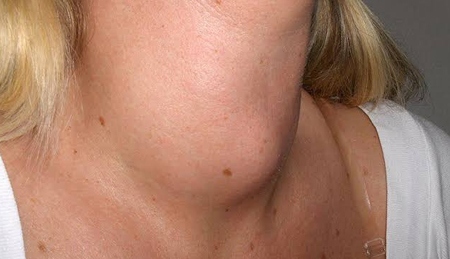
A small swelling in the neck may seem harmless. In many people, it is caused by a simple infection and disappears on its own. However, not every neck lump is benign. In some cases, especially in adults, it may be an early warning sign of cancer. Knowing when to seek medical advice can make a significant difference.
No.
Most neck swellings are not cancerous, particularly in children and young adults. They are often caused by infections such as viral illnesses, throat infections, dental infections, or enlarged lymph nodes reacting to inflammation.
However, a neck lump that persists, enlarges, or appears without an obvious infection should never be ignored, especially in adults over 40 years of age.
There are many possible causes.
Lymph nodes are part of the body's immune system. They commonly enlarge because of:
Most return to normal after the underlying illness resolves.
The thyroid gland lies in the lower front of the neck.
A thyroid lump may be:
Most thyroid nodules are benign, but they should be evaluated with ultrasound and, when indicated, fine-needle aspiration (FNAC).
Lumps near the jaw or below the ear may arise from the salivary glands because of:
Some people are born with developmental cysts that become noticeable later in life.
Examples include:
Although usually benign, they may require surgical treatment.
A persistent neck lump may represent:
Sometimes the neck lump is the first sign of an otherwise hidden cancer.
Seek medical evaluation if a neck lump:
These symptoms do not always mean cancer, but they should be assessed promptly.
Your doctor may recommend:
The exact investigations depend on the patient's age, symptoms, and examination findings.
Many head and neck cancers are highly treatable when diagnosed early.
Delayed diagnosis may allow the disease to spread to nearby lymph nodes or surrounding tissues, requiring more extensive treatment.
Early diagnosis often means:
Not every neck swelling can be prevented.
However, you can reduce your risk by:
However, a neck lump that persists for more than two to three weeks should never be ignored, particularly in adults.
Timely evaluation allows many serious conditions to be diagnosed early, when treatment is often simpler and more successful.
If you notice a persistent swelling in your neck, seek evaluation by a qualified healthcare professional. Early assessment can provide reassurance when the cause is harmless and enable prompt treatment when needed.
Early attention saves lives.