

Posted on 10th Aug 2026, by Admin
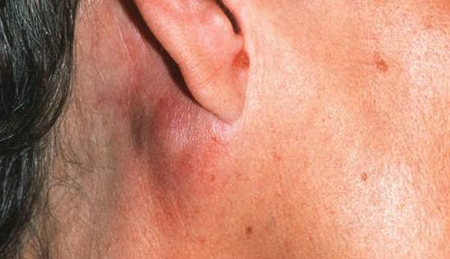
A lump in the neck is a common finding.
In many people, it may be due to a simple infection and resolves on its own. However, in adults—especially those above 40 years or with a history of tobacco or alcohol use—a persistent neck lump should always be evaluated carefully, as it may sometimes be the first sign of an underlying cancer.
Recognising when to seek medical advice can make a significant difference.
In head and neck oncology, a neck lump is not just a swelling.
It may represent:
In fact, in many patients, the neck swelling appears before the primary cancer is even diagnosed.
A neck lump should be taken seriously if:
It is associated with:
These signs do not confirm cancer, but they require timely evaluation.
Many patients present late because:
By the time evaluation is done, the disease may have progressed.
This delay is one of the most important reasons why outcomes are affected.
In adults, a persistent neck lump may be due to:
1. Oral Cancer
Especially in individuals using tobacco (gutka, khaini, smoking)
2. Throat (Pharyngeal) Cancer
May present with difficulty swallowing or neck swelling
3. Laryngeal (Voice Box) Cancer
Often associated with change in voice
4. Thyroid Cancer
Usually presents as a swelling in the front of the neck
5. Unknown Primary Tumour
Sometimes, the neck node is the first and only visible sign initially
Early evaluation does not just detect cancer—it changes outcomes.
When diagnosed earlier, treatment may:
Every patient is different, but timing plays an important role.
A simple rule:
👉 If a neck lump does not resolve within 2 weeks, consult a qualified doctor.
Do not rely only on repeated medications without a diagnosis.
Assessment usually includes:
These help identify the cause and guide treatment.
Yes.
Many neck lumps are due to:
However, the concern is not that every lump is cancer.
The concern is that some cancers present in a similar way and may be missed if evaluation is delayed.
You can reduce your risk by:
A neck lump is often visible and easy to detect.
Yet, it is one of the most commonly ignored early signs.
If you notice a lump that is not going away, do not wait.
Early evaluation may provide reassurance—or it may help detect a serious condition at a stage when treatment can be more effective.
Is every neck lump cancer?
No. Most are not. But persistent lumps in adults should be evaluated.
Is a painless lump more concerning?
Yes, painless and persistent lumps require attention.
Can cancer present without pain?
Yes. Many early cancers are painless.
How long should I wait?
Not more than 2 weeks if the lump persists.
Dr. Sachender Pal Singh is a Consultant Head & Neck Surgical Oncologist and Microvascular Reconstructive Surgeon at Ranchi Cancer Hospital & Research Centre (RCHRC), a unit of Tata Cancer Care Foundation. His clinical work focuses on oral cancer, laryngeal cancer, thyroid cancer, and advanced head and neck reconstruction. He is committed to early diagnosis, multidisciplinary care, and patient awareness.
This article is for awareness and educational purposes only. It does not replace professional medical advice. If you have any symptoms or concerns, please consult a qualified healthcare provider. Individual conditions and treatments may vary.